
THC Vapes Australia
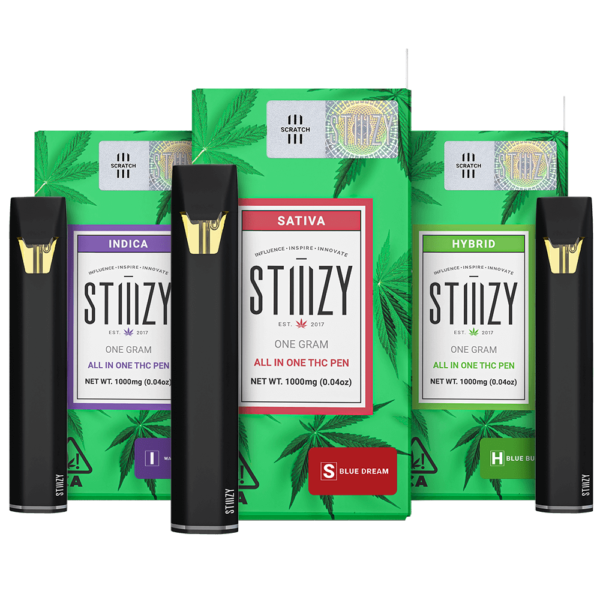
THC Vapes in Australia: A Complete Guide to Types, Effects and Laws
THC vapes are a topic of growing interest in discussions about cannabis, inhalation devices and medicinal cannabis treatment. Searches for THC vapes in Australia often reflect questions about how these products work, how they differ from other cannabis products, what risks they carry and what Australian law permits.
Unlike traditional cannabis flower, THC vape products are designed to heat a cannabis-derived formulation so that it produces an aerosol for inhalation. Depending on the product, the formulation may contain tetrahydrocannabinol (THC), other cannabinoids, terpenes and additional ingredients.
This guide examines the main types of THC vapes, their effects, product-quality considerations, potential health risks and the legal framework governing medicinal cannabis vaping in Australia.
What Are THC Vapes?
THC vapes are electronic devices or vaping systems used to inhale an aerosol containing tetrahydrocannabinol, the principal intoxicating cannabinoid commonly associated with cannabis.
Most electronic vaping systems contain a power source, a heating element and a cartridge, pod or chamber holding the substance being heated. The resulting aerosol is inhaled into the lungs.
THC vaping products differ from nicotine vapes because their intended active ingredient is THC rather than nicotine. However, their appearance and hardware can sometimes be similar.
Common characteristics include:
- Rapid onset: Inhaled THC can enter the bloodstream through the lungs relatively quickly.
- Portable devices: Many systems are compact and battery-powered.
- Concentrated formulations: Some products contain concentrated cannabis extracts rather than dried cannabis flower.
- Variable composition: Cannabinoid concentration, additives and manufacturing quality can differ substantially between products.
The term THC vape does not automatically indicate that a product is regulated, accurately labelled or safe to inhale.
What Is Delta-9 THC?
Delta-9-tetrahydrocannabinol, usually shortened to Delta-9 THC, is a cannabinoid responsible for much of the intoxicating effect associated with cannabis.
THC interacts with cannabinoid receptors in the body’s endocannabinoid system. Its effects can include changes in perception, mood, attention, coordination and short-term memory.
The effects of a THC vape depend on several factors, including the amount inhaled, cannabinoid concentration, individual tolerance, previous exposure and the composition of the product.
A label stating that a vape contains Delta-9 THC does not, by itself, establish its purity, source, legal status or suitability for medicinal use.
Types of THC Vapes
THC vaping products can be grouped according to their device design and the form of cannabis material they use.
1. THC Vape Pens
THC vape pens are compact electronic devices that heat a compatible cannabis formulation. Some are designed to connect to a separate cartridge, while others incorporate the cartridge into the device.
The term vape pen describes the hardware rather than a specific cannabinoid concentration or quality standard. Two devices that look similar may contain very different formulations and may be subject to different regulatory requirements.
2. THC Vape Cartridges
THC vape cartridges are containers designed to hold a formulation for use with compatible vaping hardware. Some contain cannabis extracts, while others may contain additional ingredients.
Important research considerations include the accuracy of cannabinoid labelling, the presence of contaminants, the materials that contact the formulation and the suitability of the cartridge for its intended use.
An attractive package or a high advertised THC percentage does not establish product quality.
3. Disposable THC Vapes
Disposable THC vapes combine the power source and pre-filled reservoir in a single device intended for limited use.
These products raise additional questions about battery disposal, product traceability, packaging accuracy and the difficulty of independently verifying their contents.
In Australia, disposable devices and cannabis-containing vape products are subject to specific regulatory requirements. Their availability through an online listing does not establish that their sale or importation is lawful.
4. Dry-Herb Vaporizers
Dry-herb vaporizers heat plant material rather than a liquid or oil formulation. They are distinct from devices designed for cannabis oil cartridges.
Although both are commonly discussed under the broader category of cannabis vaping, their operating principles, material composition and regulatory considerations can differ.
How Do THC Vapes Work?
THC vaping devices use heat to release compounds from a formulation or plant material, producing an aerosol that is inhaled.
After inhalation, THC can pass through the lungs into the bloodstream and reach the brain. Because this route bypasses much of the initial digestive process associated with edibles, effects can begin more quickly than those from oral cannabis products.
Possible effects include:
- Changes in mood and sensory perception.
- Altered attention and short-term memory.
- Reduced coordination and slower reaction times.
- Increased heart rate.
- Anxiety, panic or confusion in some individuals.
The onset and duration of effects vary. Device temperature, formulation, inhaled quantity and individual physiology can all influence the experience.
A rapid onset should not be interpreted as evidence that a product is safer than an edible or another cannabis formulation.
THC Vape Effects and Potential Risks
Research into THC vaping needs to consider both the effects of THC itself and the additional risks associated with inhaling heated formulations.
Short-term effects
THC may impair attention, judgement, coordination and reaction time. Some people experience relaxation or euphoria, while others experience dizziness, anxiety, paranoia or an unpleasant change in perception.
The intensity of these effects is not determined by the product’s marketing claims alone.
Respiratory concerns
Vaping avoids the combustion involved in smoking, but that does not mean the resulting aerosol is harmless.
Depending on the formulation and device, inhalation may expose the lungs to irritating compounds, degradation products, solvents, metals or other contaminants. The long-term respiratory effects of many cannabis vaping formulations remain incompletely understood.
Mental health considerations
THC can cause acute anxiety or paranoia. Frequent or heavy cannabis use is also associated with an increased risk of certain adverse mental health outcomes, particularly in susceptible individuals.
People with a personal or family history of psychosis, or those who experience significant adverse effects, should discuss cannabis-related risks with a qualified healthcare professional.
Dependence and impairment
Repeated cannabis use can lead to cannabis use disorder in some people. THC may also impair driving and other activities that require alertness, even when a person feels capable of performing them.
Anyone experiencing severe symptoms after exposure should seek urgent medical assistance.
How to Evaluate THC Vape Product Quality
Product quality is a central concern when researching THC vapes in Australia. Packaging, online reviews and advertised potency are not sufficient evidence that a product has been independently verified.
1. Cannabinoid testing
Reliable analytical testing can help establish the concentrations of THC and other cannabinoids in a particular sample.
Research should distinguish between a manufacturer’s claim and a test result from an appropriately qualified laboratory.
2. Contaminant screening
Depending on the formulation, relevant tests may include screening for residual solvents, pesticides, heavy metals, microbial contamination and other potentially harmful substances.
Testing must be appropriate to the product and its intended route of administration.
3. Ingredient transparency
Clear ingredient information can help researchers assess the composition of a formulation. Particular attention should be given to substances that may behave differently when heated and inhaled.
A Certificate of Analysis (COA) should identify the tested sample and laboratory, provide the relevant analytical results and have a verifiable connection to the product being assessed.
A COA is not proof that every batch is identical, that every possible contaminant has been tested for or that inhalation is safe.
4. Manufacturing and traceability
Traceability information helps establish who manufactured a product, where it originated and which batch was tested.
For medicinal products, applicable manufacturing, quality and regulatory requirements are particularly important.
5. Regulatory status
A product advertised online may not have the approvals or authorisations required for lawful supply in Australia. Product descriptions should not be treated as a substitute for checking the relevant official register or regulatory guidance.
Are THC Vapes Legal in Australia?
Australian cannabis and vaping laws operate within a strict regulatory framework. The legal position depends on the substance, product, intended use, supply pathway and applicable Commonwealth, state and territory laws.
Medicinal cannabis: Certain medicinal cannabis products, including products intended for administration by vaporisation, may be lawfully supplied to eligible patients through the appropriate prescription and pharmacy pathways.
Recreational THC vapes: A product being advertised online does not mean it can lawfully be sold or supplied for recreational use in Australia. The legal status of recreational cannabis also differs by jurisdiction and should not be confused with permission to sell THC vape products.
Vaping devices and cartridges: Separate requirements can apply to devices, accessories, imports and cannabis-containing formulations. Businesses involved in importing or supplying these products may need specific licences, permits, registrations or other authorisations.
The Therapeutic Goods Administration (TGA) and the Office of Drug Control (ODC) publish official guidance on medicinal cannabis vaping devices and cannabis-vaping imports.
For current information, consult the TGA medicinal cannabis guidance and the Office of Drug Control’s cannabis-vaping import guidance.
Because regulatory requirements can change, legal compliance should be checked before publication or commercial activity.
THC Vapes Compared With Other Cannabis Products
Different cannabis formulations have different routes of administration, onset times and risk considerations.
| Feature | THC vapes | THC edibles | Smoked cannabis |
|---|---|---|---|
| Route of administration | Inhalation | Oral ingestion | Inhalation of smoke |
| Typical onset | Relatively rapid | Delayed | Relatively rapid |
| Combustion | No intended combustion | No | Yes |
| Main exposure concern | Inhaled aerosol and THC | Delayed or prolonged intoxication | Smoke and THC |
| Duration of effects | Variable | Often longer | Variable |
| Dose predictability | Depends on formulation and use | Depends on formulation and absorption | Depends on product and use |
These differences do not establish that one method is universally safer. Each route has distinct limitations, and the available evidence varies across products and populations.
How to Research THC Vapes Responsibly
For an academic or public-health research project, the quality of the evidence matters more than marketing claims.
Consider these research principles:
- Use authoritative sources: Prioritise government health agencies, peer-reviewed research and official regulatory documents.
- Separate evidence from claims: Distinguish established findings from anecdotal reports and manufacturer statements.
- Evaluate the sample: Check whether testing relates to the specific product or batch being discussed.
- Avoid unsupported medical claims: Do not present THC vaping as a proven treatment for a condition without appropriate clinical evidence.
- Account for uncertainty: Identify gaps in research, particularly concerning long-term respiratory outcomes and the contents of unregulated products.
- Check publication dates: Cannabis and vaping regulations can change, so legal statements should be reviewed before publication.
These principles support a more accurate and credible discussion of THC vapes in Australia.
Frequently Asked Questions About THC Vapes in Australia
What are THC vapes?
THC vapes are electronic devices or systems used to inhale an aerosol containing tetrahydrocannabinol, the principal intoxicating cannabinoid associated with cannabis.
Are THC vape pens legal in Australia?
The answer depends on the product and its regulatory pathway. Certain medicinal cannabis products and compatible devices may be supplied lawfully through authorised channels. Online availability alone does not establish legality.
What is the difference between a THC vape pen and a THC cartridge?
A vape pen refers to the device, while a cartridge is the container holding the formulation. Some pens use replaceable cartridges; others incorporate the reservoir into the device.
How quickly do THC vapes take effect?
Inhaled THC can produce effects relatively quickly compared with oral cannabis products. The exact onset and duration vary with the formulation, inhaled amount and individual physiology.
Are THC vapes safer than smoking cannabis?
Vaping avoids the combustion that produces cannabis smoke, but inhaled aerosols may still contain harmful substances. The relative risks depend on the products, exposure patterns and health outcomes being studied.
Can THC vaping affect driving?
Yes. THC can impair coordination, attention, reaction time and judgement. Medicinal use does not automatically remove legal restrictions on driving while impaired, and THC-specific driving rules vary by jurisdiction.
Can THC vapes contain contaminants?
Yes. Depending on manufacturing and storage conditions, products may contain residual solvents, pesticides, heavy metals or other contaminants. Independent, appropriately designed testing can help identify some of these substances but cannot guarantee complete safety.
Are medicinal cannabis vape products available in Australia?
Certain medicinal cannabis products and approved or otherwise appropriately authorised devices may be available through lawful patient-access pathways. Patients should consult their prescribing practitioner and pharmacist about suitable products and devices.
Do THC vapes have long-term health effects?
The full long-term effects of many THC vaping formulations are not yet established. Potential concerns include respiratory exposure, dependence, cognitive impairment and adverse mental health effects.
Where can I find reliable information about THC vape laws?
The TGA publishes information on medicinal cannabis and vaping devices, while the Office of Drug Control provides guidance on cannabis-vaping imports. State and territory authorities may provide additional information about possession, driving and other local requirements.
Final Thoughts on THC Vapes in Australia
THC vapes sit at the intersection of cannabis research, inhalation technology, product quality and Australian drug regulation. Understanding these products requires more than examining advertised THC concentrations or device designs.
For researchers and readers, the most useful approach is to evaluate the evidence on inhaled THC, distinguish regulated medicinal products from unregulated products, assess the limitations of laboratory testing and consult current official guidance on legality.
A well-researched article should make these distinctions clear, avoid unsupported claims and help readers understand both the potential effects and the uncertainties surrounding THC vaping.